If you’re questioning whether your feelings might be depression, a depression test can provide immediate, although preliminary, insights. Straightforward and quick, this article offers an overview of such tests, how to roughly interpret your results, and why professional evaluation is crucial. Start here to better understand your mental health. Depression, a mental health condition that’s far more prevalent than one might assume, affects a staggering 350 million people worldwide, across various age groups. It’s a complex disorder that can be triggered by significant life events or even arise without any identifiable cause. The symptoms of depression stretch beyond the realm of emotions, with physical manifestations like fatigue, aches, and poor appetite often accompanying the mental distress.
Clinical depression, also known as major depression, is characterized by persistent sadness, anxiety, or a sense of emptiness. Depression is not a personal flaw but a real, biological-based mental health issue, a fact that needs to be recognized. With the right treatment, individuals can manage or overcome this condition. How do you know if the sorrow you’ve been feeling is a momentary lapse or a sign of something deeper? A depression quiz can serve as a helpful tool in guiding you towards an answer. The quiz operates as a self-assessment resource, helping you identify symptoms like: Recognizing when to diagnose depression and seek professional help is a critical step in the journey towards better mental health. If persistent distress that interferes with daily life is experienced, seeking medical help early is of the utmost importance. Depression screening can indicate the severity of symptoms, which helps in determining the urgency of seeking professional help.
Keep in mind, results from an online depression test are preliminary and should be followed up with a full evaluation by a mental health provider for a formal diagnosis and treatment plan. If you find yourself worrying more than usual, struggling to enjoy life, or facing difficult thoughts and feelings that impact daily routines, seeking professional help is recommended. A combination of medication, therapy, and lifestyle changes often proves most effective in treating depression. While mild depression might improve without treatment, it’s vital to remember that moderate to severe cases often necessitate a mix of therapies and medication.
Treatment is not a one-size-fits-all approach. It depends on the individual’s unique circumstances and the severity of their depression. Let’s explore some of the common treatment options, including: Supporting a loved one with depression can be challenging but is incredibly important. Here are some ways you can provide support:
Key Takeaways
- Depression is a complex, biological mental health disorder that affects millions, with physical symptoms and emotional distress making it more than just a sad feeling or temporary problem.
- A depression quiz, such as the PHQ-9, can be a helpful preliminary self-assessment tool but should not replace a professional evaluation for diagnosing and treating depression.
- Effective treatment for depression often involves a personalized combination of medication, therapy, lifestyle changes, and support from loved ones, highlighting the importance of professional care and a strong support network.
Understanding Depression
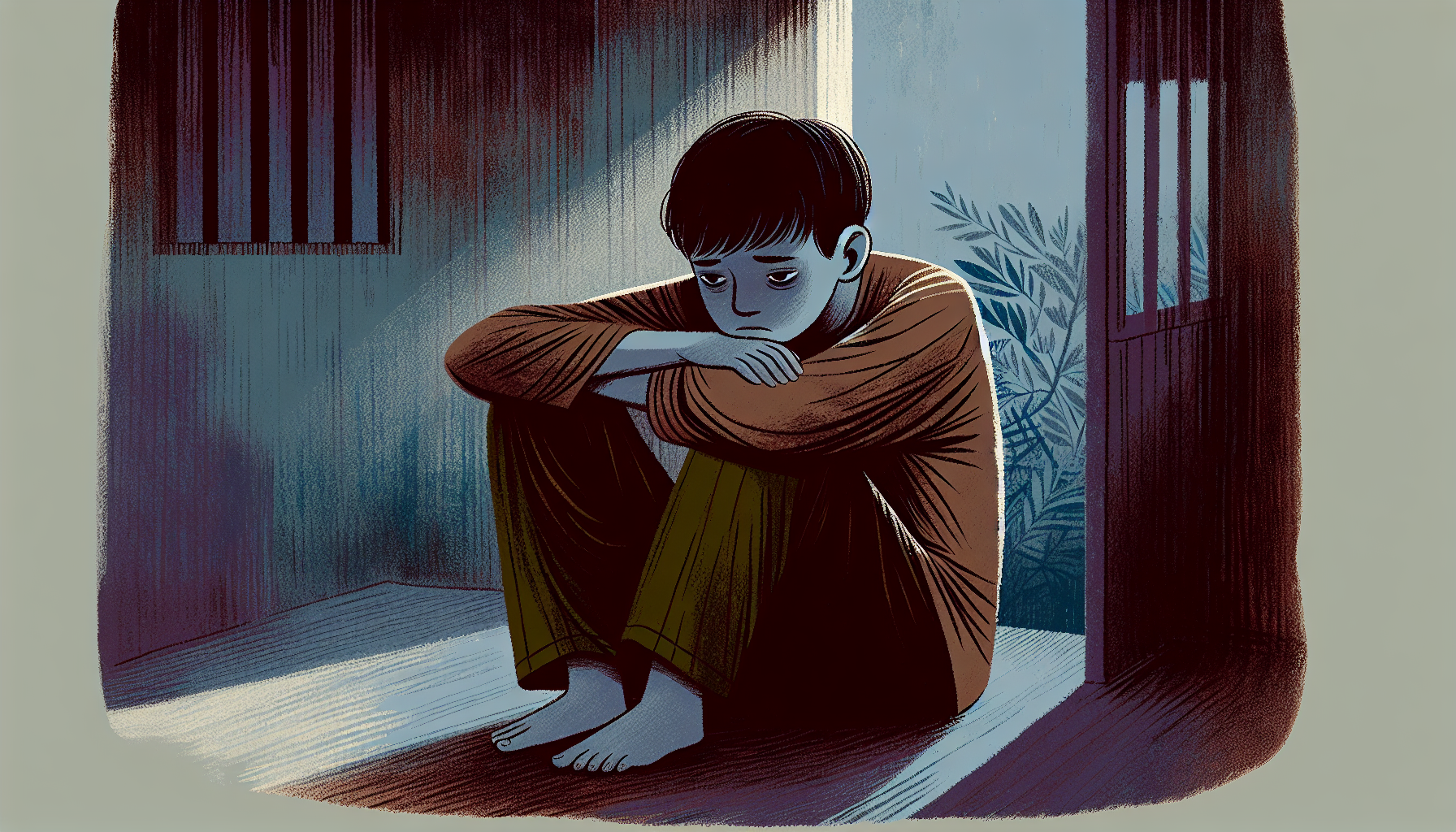 Depression, a mental health condition that’s far more prevalent than one might assume, affects a staggering 350 million people worldwide, across various age groups. It’s a complex disorder that can be triggered by significant life events or even arise without any identifiable cause. The symptoms of depression stretch beyond the realm of emotions, with physical manifestations like fatigue, aches, and poor appetite often accompanying the mental distress.
Clinical depression, also known as major depression, is characterized by persistent sadness, anxiety, or a sense of emptiness. Depression is not a personal flaw but a real, biological-based mental health issue, a fact that needs to be recognized. With the right treatment, individuals can manage or overcome this condition.
What is Clinical Depression?
Clinical depression, or major depressive disorder, is more than just feeling sad or going through a tough patch. It’s a serious mental health disorder that affects how you think, feel, and function in your daily life. It’s not just about feeling down; it’s about feeling ‘down’ nearly every single day for at least two weeks. You may experience a constant low mood, a loss of interest or pleasure in activities you once enjoyed, and physical symptoms like changes in appetite or sleep patterns. Depression has a real, biological basis that differentiates it from the temporary emotional responses to life’s challenges. Recognizing and communicating that depression is a medical issue, not a personal flaw, is key. With the right treatment, individuals can manage or even overcome the condition.Major Depression vs. Other Mental Disorders
When it comes to mental disorders, it’s important to understand that not all are created equal. Major depression, for instance, requires an individual to experience at least five specific symptoms nearly every day for a minimum of two weeks for a diagnosis. This severity sets it apart from other forms of depression. The necessary symptoms must be present every day and nearly all day during the two-week period. This rigorous diagnostic criteria, set by the American Psychiatric Association and detailed in the Diagnostic and Statistical Manual, ensures that the condition is not confused with other mental disorders. Recognizing that major depression is a serious medical condition warranting immediate attention and treatment is vital. In order to stay informed and up-to-date, it’s important to consult reliable sources, such as the sources American Psychiatric Association provides.The Depression Test: A First Step Towards Help
 How do you know if the sorrow you’ve been feeling is a momentary lapse or a sign of something deeper? A depression quiz can serve as a helpful tool in guiding you towards an answer. The quiz operates as a self-assessment resource, helping you identify symptoms like:
- persistent sadness
- loss of interest in activities
- low energy
- changes in appetite
- sleep disturbances
How Does the Depression Quiz Work?
The depression quiz operates through a multiple-choice format based on the level of agreement with various statements. It’s grounded on the Patient Health Questionnaire (PHQ-9), a widely utilized tool in mental health assessment, and shares similarities with Beck’s Depression Inventory. The questions in the quiz encompass a range of topics, including trouble falling asleep, maintaining sleep throughout the night, experiencing sadness, changes in appetite, and overall mood. Bear in mind, the depression quiz does not serve as a diagnostic tool. However, it’s a helpful starting point for those who are concerned about their mental health and want to understand more about what they’re experiencing. You can complete the test below here: https://www.mdcalc.com/calc/1725/phq9-patient-health-questionnaire9Interpreting Your Results
Once you’ve completed the depression quiz, interpreting your results is the next step. The nine-item PHQ-9 is used for depression screening, and scores are categorized to indicate levels of depression severity. Here are the categories:- 0-4 points: Usual scores (nothing to worry about)
- 5-9 points: mild depression
- 10-14 points: moderate depression
- 15-19 points: moderately severe depression
- 20-27 points: severe depression
When to Seek Professional Help
 Recognizing when to diagnose depression and seek professional help is a critical step in the journey towards better mental health. If persistent distress that interferes with daily life is experienced, seeking medical help early is of the utmost importance. Depression screening can indicate the severity of symptoms, which helps in determining the urgency of seeking professional help.
Keep in mind, results from an online depression test are preliminary and should be followed up with a full evaluation by a mental health provider for a formal diagnosis and treatment plan. If you find yourself worrying more than usual, struggling to enjoy life, or facing difficult thoughts and feelings that impact daily routines, seeking professional help is recommended.
Recognizing the Warning Signs
It is vital to recognize the warning signs of potential clinical depression. These signs may include:- Excessive worry
- Difficulty enjoying life
- Trouble concentrating
- Challenging thoughts and feelings that disrupt daily activities
- Behavioral changes such as withdrawal from social activities
- Experiencing memory gaps
- Significant alterations in appetite or sleep patterns
Finding the Right Mental Health Professional
Once you’ve recognized the warning signs and decided to seek help, the next step is finding the right mental health professional. This can include:- Psychiatrists
- Psychologists
- Psychiatric nurses
- Physician assistants
- Licensed clinical social workers
- Licensed professional counselors
- Marriage and family therapists
Treatment Options for Depression
 A combination of medication, therapy, and lifestyle changes often proves most effective in treating depression. While mild depression might improve without treatment, it’s vital to remember that moderate to severe cases often necessitate a mix of therapies and medication.
Treatment is not a one-size-fits-all approach. It depends on the individual’s unique circumstances and the severity of their depression. Let’s explore some of the common treatment options, including:
- Medication
- Therapy
- Lifestyle changes
- Self-care
Medication and Therapy
Antidepressants are often prescribed for moderate to severe depression. They work by increasing neurotransmitters in the brain related to mood and emotion. Selective serotonin reuptake inhibitors (SSRIs) are the most commonly prescribed antidepressants, favored for their fewer side effects and lower risk of overdose. Therapy is another common form of treatment. Cognitive behavioral therapy (CBT), for instance, is used to treat moderate to severe depression. In severe cases, a combination of antidepressants and therapy is often recommended, as it addresses both the symptoms and causes of depression.Lifestyle Changes and Self-Care
While therapy and medication play a vital role in managing depression, lifestyle changes and self-care are equally crucial. Engaging in regular physical activity can elevate mood, reduce stress, and encourage the release of endorphins, the body’s natural feel-good chemicals. Adopting a healthy diet can positively influence mood and overall well-being. Some strategies for managing and overcoming the challenges of experiencing depression include:- Seeking therapy or counseling
- Engaging in regular exercise
- Practicing mindfulness and meditation
- Reducing or eliminating the intake of alcohol, tobacco, and drugs
Supporting Loved Ones with Depression
 Supporting a loved one with depression can be challenging but is incredibly important. Here are some ways you can provide support:
- Be a listening ear
- Show patience and understanding
- Offer encouragement
- Help them seek professional help if needed
How to Approach the Conversation
Initiating a conversation about mental health with a loved one can seem intimidating. Approaching the conversation with open-ended, non-judgmental questions that enable the person to freely share their thoughts and feelings is imperative. Some examples of broad questions that can help start the conversation without making any assumptions about the individual’s mental state are:- How are things for you right now?
- Can you tell me how you’ve been feeling lately?
- Is there anything on your mind that you’d like to talk about?
- What has been going on in your life recently?