
In search of teenager mental health support? Uncover effective strategies to enhance a teenager’s well-being from dealing with emotional turmoil to seeking professional help. This guide offers immediate support, practical advice, and resources to help teenagers and their support systems navigate mental health challenges with confidence and clarity. Teenagers are presently navigating a mental health crisis that demands our utmost attention and support. The unique challenges they face, such as not being listened to and feeling tired, can significantly impact their well-being. Equipping them with robust mental health support can be the difference between simply surviving the teenage years and truly thriving during this critical period.
Let’s delve into how we can better understand the adolescent mind, build supportive networks, and access professional help when necessary. Every teenager’s mental health journey is unique, and so should be the support they receive. Fortunately, there are a plethora of mental health services tailored for teenagers, ranging from talking therapies and counseling to digital support platforms and community initiatives.
These resources are designed to help young people manage their mental health effectively, providing them with a safe space to express their feelings, seek help, and learn coping strategies. Anxiety and depression are all too common among adolescents, often causing social withdrawal and school absenteeism. Mental illnesses that frequently emerge during adolescence include: Promoting positive change in daily life is a powerful step towards improving mental health. Fostering healthy habits, incorporating mental wellness in education, and empowering teenagers to speak up about their mental health can catalyze significant improvements.
These steps not only promote mental wellness but also equip teenagers with the skills and confidence they need to navigate the challenges of adolescence. Despite our best efforts, there may come a time when immediate help is needed for mental health crises. Recognizing when and how to seek urgent help is crucial.
Services like helplines, text services, and local support groups are readily available and can provide the necessary emotional support during these crucial moments.
Key Takeaways
- Adolescents are facing a mental health crisis, requiring understanding of their unique psychological development and ensuring proper sleep, a robust support network, and professional intervention for effective mental health support.
- A variety of tailored mental health services for teens are available, including talking therapies, digital platforms offering anonymous support, and community initiatives that promote engagement and shared understanding among parents.
- Promoting positive daily habits, incorporating mental wellness into education, and empowering teens to advocate for themselves are critical for improving mental health and empowering them to overcome common issues like anxiety and depression.
Navigating Teenage Turmoil: Essential Mental Health Support
 Teenagers are presently navigating a mental health crisis that demands our utmost attention and support. The unique challenges they face, such as not being listened to and feeling tired, can significantly impact their well-being. Equipping them with robust mental health support can be the difference between simply surviving the teenage years and truly thriving during this critical period.
Let’s delve into how we can better understand the adolescent mind, build supportive networks, and access professional help when necessary.
Understanding the Adolescent Mind
The adolescent mind, often referred to as young adults, is a fascinating puzzle, characterized by significant physical, emotional, and social changes. Some key features of the adolescent mind include:- Significant physical, emotional, and social changes
- Maturing prefrontal cortex affecting decision-making skills and leading to more risk-taking behavior
- Adolescent stress response differing from that of adults, leading to difficulty in emotional regulation and an increased risk of anxiety, depression, and other mental health issues
Building a Support Network
The teenage years can often feel isolating and overwhelming. The importance of a robust support network during this time cannot be overstated. Social experiences significantly impact brain development and behavior, so fostering strong peer relationships is integral to a teenager’s well-being. Encouraging open communication and mutual support among peers can lay the foundation for strong mental health support networks that can carry adolescents through their toughest challenges.Accessing Professional Help
Seeking professional help for mental health problems can be a daunting task. It often involves talking with healthcare providers, preparing for medical visits, and accessing immediate crisis resources. Before getting a referral for counseling or therapy, it’s beneficial for teenagers to observe, document, and reflect on any concerning behaviors or feelings. This proactive approach can help them better understand their mental health and empower them to seek the help they need.A Safe Space: Mental Health Services Tailored to Teens
 Every teenager’s mental health journey is unique, and so should be the support they receive. Fortunately, there are a plethora of mental health services tailored for teenagers, ranging from talking therapies and counseling to digital support platforms and community initiatives.
These resources are designed to help young people manage their mental health effectively, providing them with a safe space to express their feelings, seek help, and learn coping strategies.
Talking Therapies and Counselling
Talking therapies can be an effective way to address mental health issues in teenagers. Cognitive behavioral therapy, interpersonal therapy, and arts-based therapies are some of the common types that can provide necessary support. Teenagers with depression, for instance, can benefit significantly from engaging parents and other adults in their therapy. These therapies can be accessed through the NHS or local services, ensuring that every teenager has the opportunity to get the help they need.Digital Support Platforms
In the digital age, support platforms play a pivotal role in providing mental health resources and guidance to teenagers and their families. These platforms offer online chat options, resources, and applications tailored to provide guidance for mental health support. Anonymity and convenience are key features of these digital solutions, enabling teenagers and their supporters to seek help comfortably in a manner that suits them best.Community Initiatives
Community initiatives and national charities play a significant role in providing comprehensive mental health support for teenagers. They offer a wealth of resources and create a supportive community network that can make a difference. Parents can engage with other parents who have experiences in dealing with children’s mental health services, fostering a sense of community and shared understanding. These initiatives not only support children but also empower teenagers to take charge of their mental health.Coping Mechanisms for Common Teen Issues
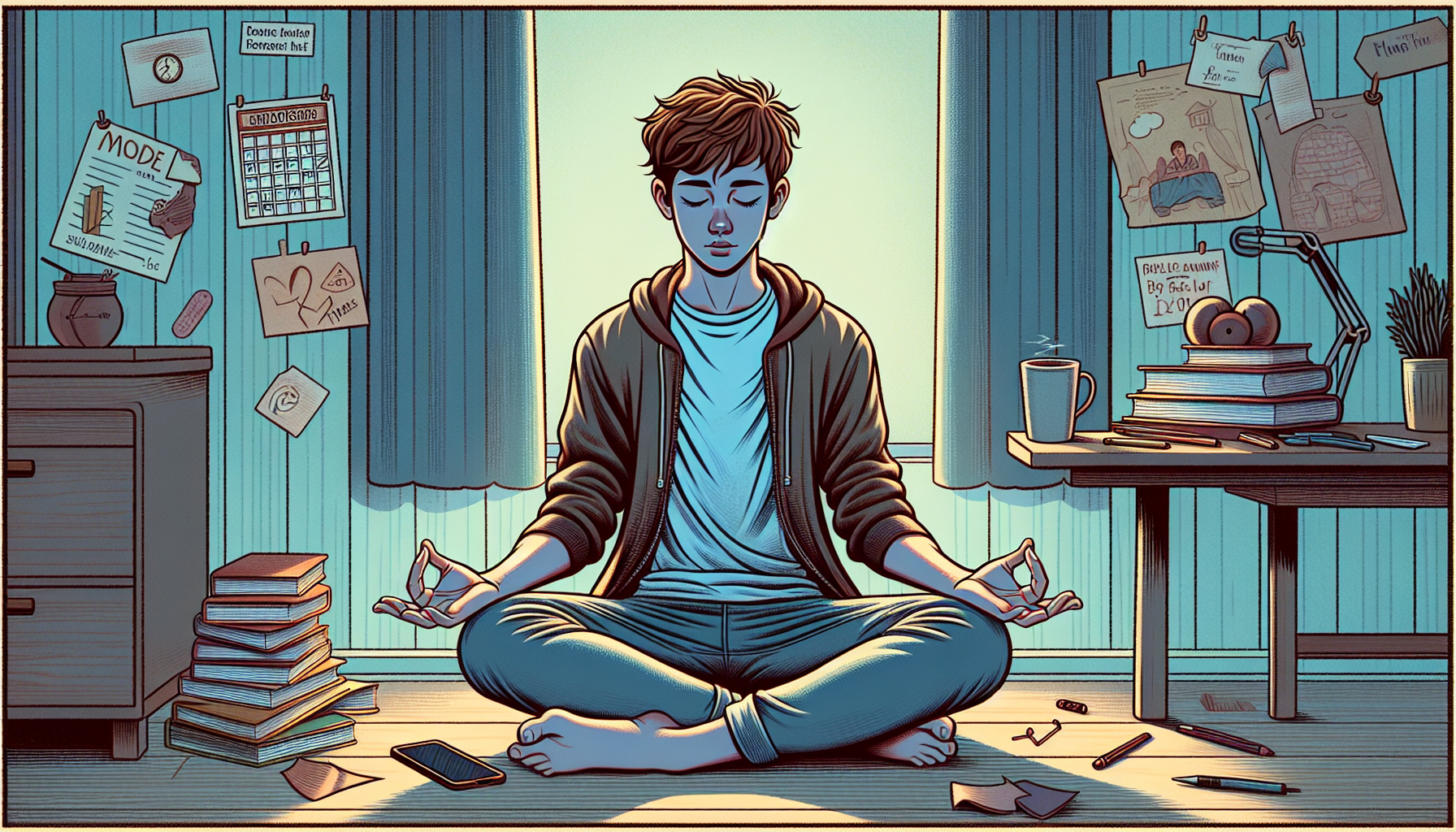 Anxiety and depression are all too common among adolescents, often causing social withdrawal and school absenteeism. Mental illnesses that frequently emerge during adolescence include:
- Schizophrenia
- Anxiety
- Depression
- Bipolar disorder
- Eating disorders
Strategies to Combat Anxiety and Panic
Anxiety can often feel like an insurmountable challenge for teenagers. However, there are many strategies available to help manage it effectively. Mindfulness exercises, for instance, have shown efficacy in helping teens manage anxiety. Group mindfulness activities, short mindfulness practices, and even physical activity can elevate self-esteem, enhance cognitive function, and improve mood, helping reduce stress and anxiety.Overcoming Depression Together
Depression can cast a long and dark shadow over a teenager’s life. However, with the right support and strategies, it can be overcome. A balanced diet is crucial for teenage mental health, aiding in mood stabilization and improving cognitive functions that are essential for combating depression. Remember, depression is not a battle to be fought alone. Engaging parents and other adults in therapy can provide the necessary support that can make a significant difference.Preventing and Addressing Self-Harm
Self-harm is a critical issue that requires immediate attention. Understanding the underlying issues that lead to self-harm is crucial in preventing it and providing self injury support. The World Health Organization promotes mental health among adolescents to prevent conditions leading to self-harm. General practitioners also play a significant role by providing treatment for injuries, discussing support options, and facilitating referrals to community mental health teams.Promoting Positive Change in Daily Life
 Promoting positive change in daily life is a powerful step towards improving mental health. Fostering healthy habits, incorporating mental wellness in education, and empowering teenagers to speak up about their mental health can catalyze significant improvements.
These steps not only promote mental wellness but also equip teenagers with the skills and confidence they need to navigate the challenges of adolescence.
Healthy Habits for Physical and Mental Health
Sleep, diet, and exercise play a critical role in maintaining physical and mental health. Melatonin changes in teenagers lead to different sleep patterns, which can impact mental health. A balanced diet, rich in fruits and vegetables, supports both mental health and physical health. Regular physical exercise like yoga and swimming can improve mood, self-concept, and attention, reducing symptoms of anxiety and depression.The Role of Education in Mental Wellness
Educational settings can play a central role in fostering mental wellness. By creating a safe and supportive learning environment, schools can significantly benefit adolescents’ mental well-being. Incorporating respect, diversity, and resilience into curricula and encouraging a strong student voice can fortify mental wellness. Schools can also implement mental health and well-being strategies with the help of senior mental health leads and Mental Health Support Teams.Empowering Teens to Speak Up
Empowering teenagers to express their concerns and contribute to initiatives aimed at reducing stigma associated with mental health issues is vital. The Heads Together campaign, YoungMinds’ Activist programme, and Stop Hate UK offer platforms where teens can engage in activism to tackle stigma and change the conversation on mental health. These initiatives also provide opportunities for teens to develop new skills and participate in campaigns for positive change in mental health.Resources and Immediate Help for Urgent Concerns
 Despite our best efforts, there may come a time when immediate help is needed for mental health crises. Recognizing when and how to seek urgent help is crucial.
Services like helplines, text services, and local support groups are readily available and can provide the necessary emotional support during these crucial moments.


